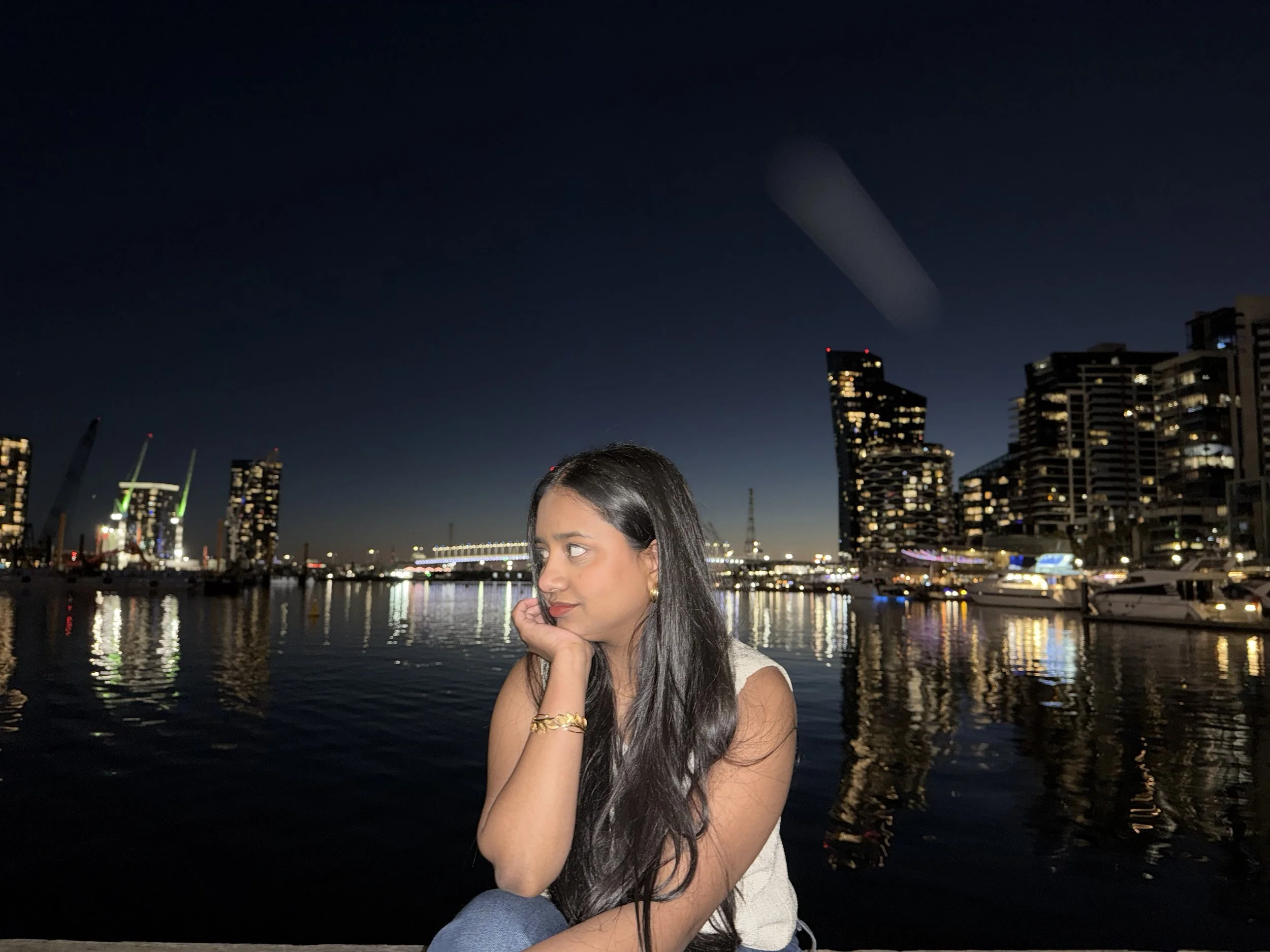
Curious about people, stories and what makes ideas stick.
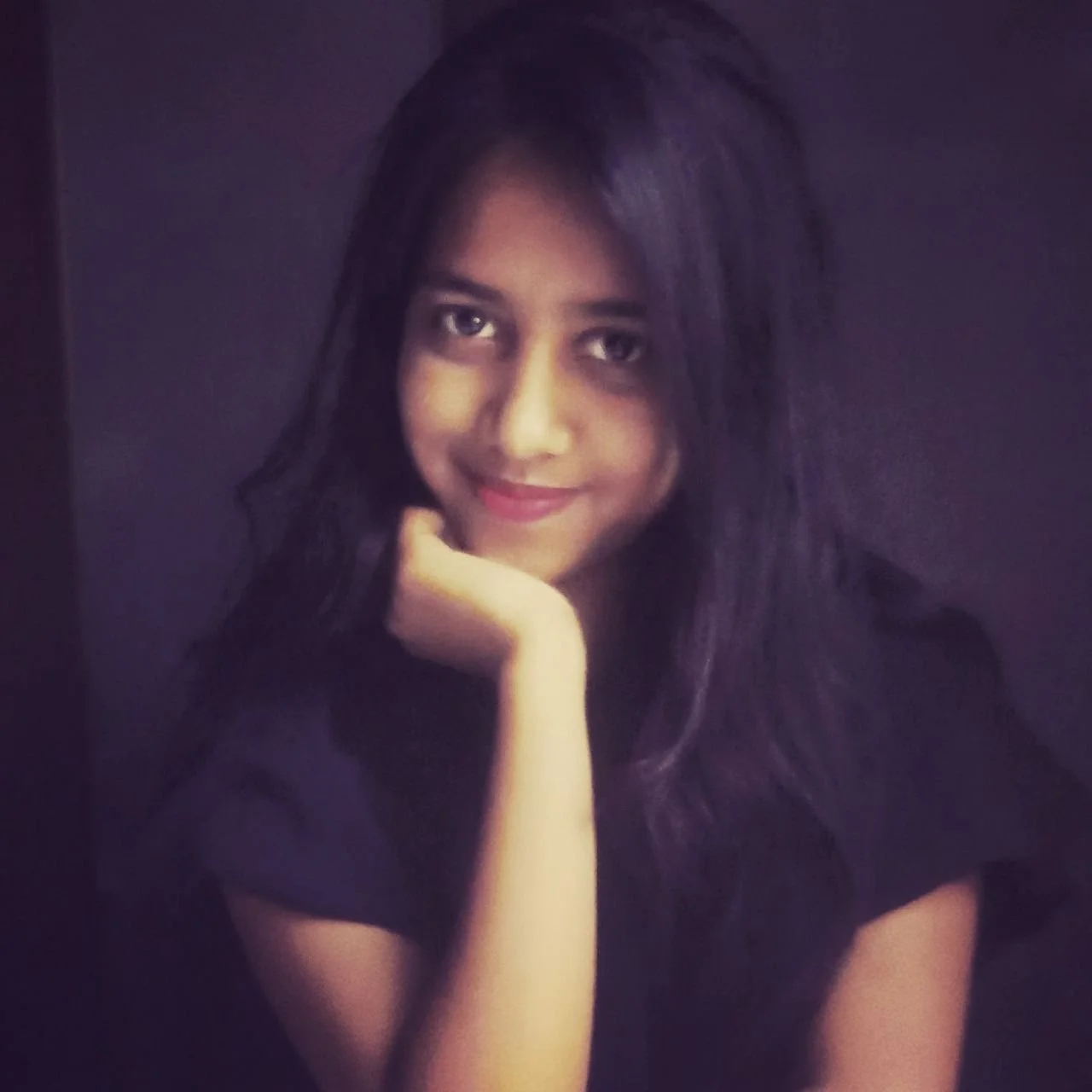
I think I’ve always been a storyteller.
I wasn’t the perfect student growing up. I did well most of the time, got distracted sometimes, fell sick far too often, and was lucky to have a family that always looked after me. But one thing was constant: I loved writing.
As a child, I filled pages with poems and short stories. I enjoyed reading too, but I was always more fascinated by creating the story myself. Somewhere along the way, I also developed this huge dream of studying abroad. For years it felt like one of those distant “one day” things — until I actually did it.
Moving countries, studying abroad and building a life away from home changed the way I see people, communication and stories. And weirdly enough, the thing I loved as a kid — putting thoughts into words - is now becoming part of the career I’m building.
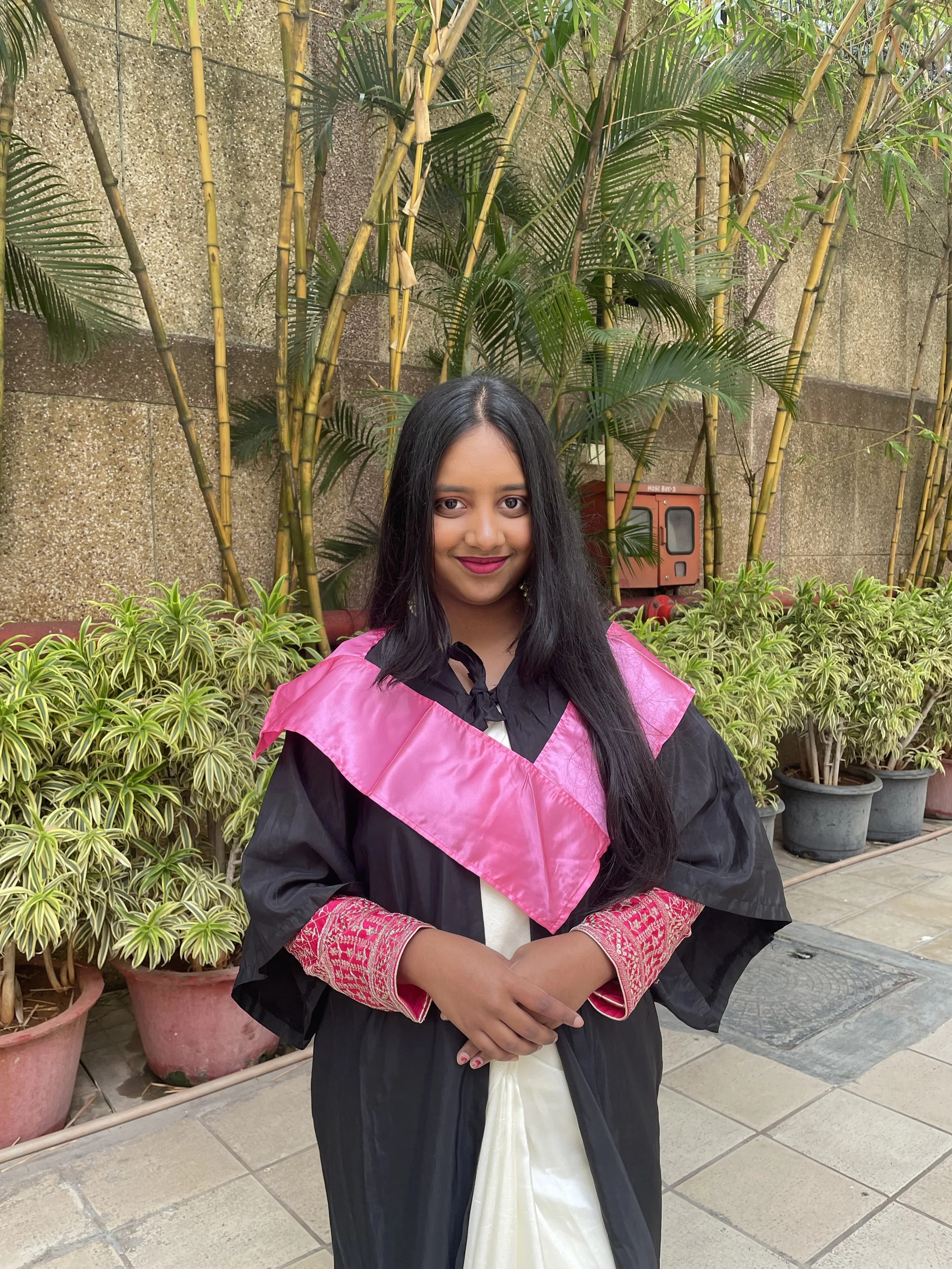
College changed the way I looked at the world.
In Years 11 and 12, I studied Physics, Chemistry, Mathematics and Biology, before taking a completely different direction and studying English Honours at Christ University.
That shift opened up a much wider world for me. I read literature that made me think deeply about identity, power, inequality and the way societies decide whose experiences matter. I studied Dalit literature, disability studies and works exploring race, caste and social exclusion, and began questioning a lot of things I had previously taken for granted.
My thesis was based on Toni Morrison’s The Bluest Eye, which pushed me to think about beauty standards, race, colourism and how prejudice can become internalised - even within communities that experience discrimination themselves.
Around the same time, I became vegan and started learning more about animal agriculture, dairy farming, wildlife conservation and hunting. Books like Han Kang’s The Vegetarian also stayed with me because they made me think about autonomy, conformity and the choices we make about our bodies and lives.
College didn’t just give me a degree. It helped me decide what I cared about, how I wanted to see the world, and what kind of difference I wanted my work to contribute to.
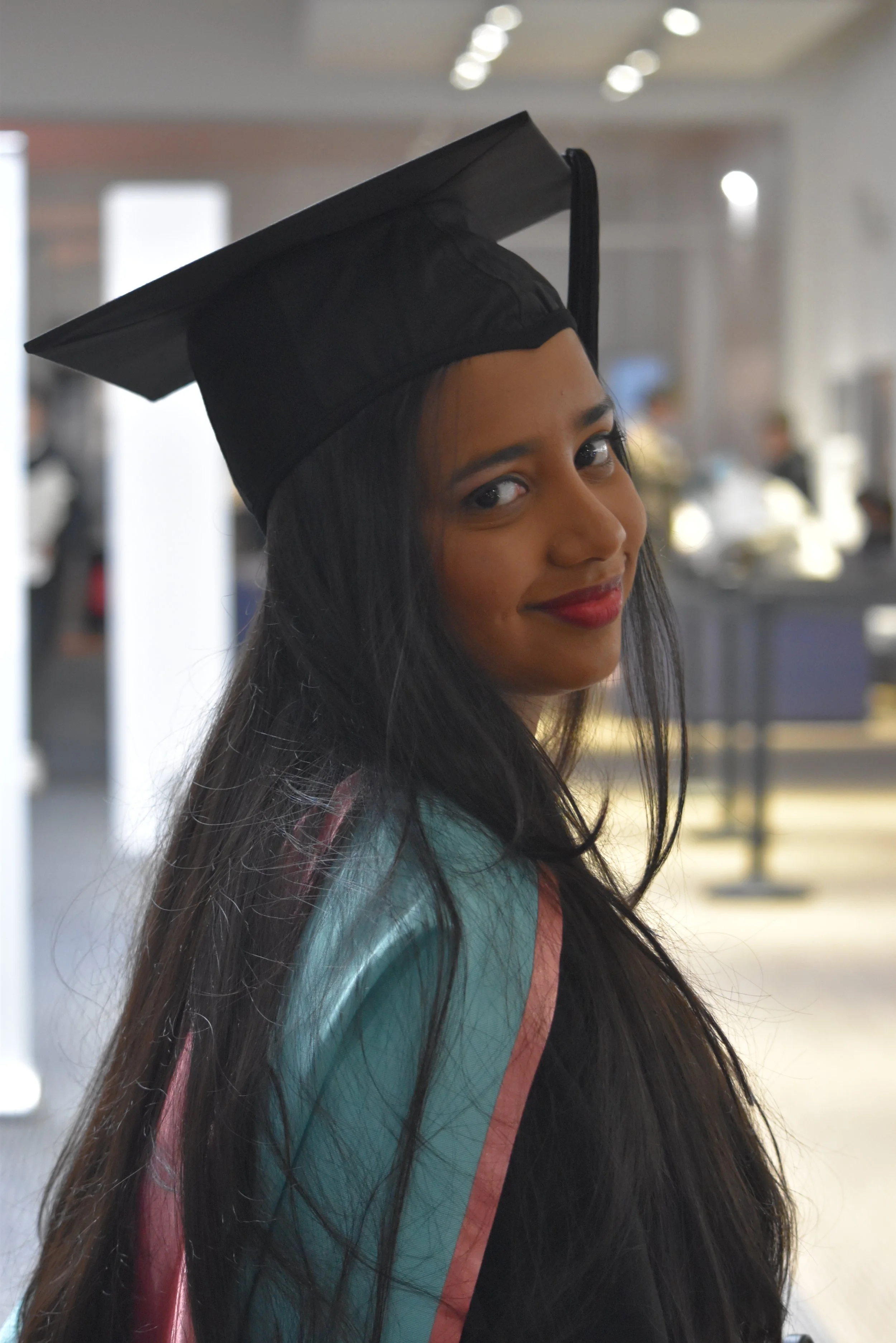
Then I found communications.
Coming to Australia to study at Monash University had been a dream of mine for years, so getting into the Master of Strategic Communication Management program felt like a huge personal milestone. Once I was there, I studied media, crisis communication, data analytics and leadership, analysed real - world cases around accountability and decision-making, and worked on research exploring how beauty standards, representation and culture are shaped by media and society.
Outside the classroom, I took on experiences that taught me just as much. I worked as a peer mentor, supporting students from different cultures, age groups and backgrounds; as a Building Attendant, coordinating between residents, cleaners, contractors and building management; and as an Internal Space Auditor at Monash, observing how university spaces were being used and reporting on those patterns.
I also completed a Vision Verse internship, where I worked on digital content, social media analysis and collaborated directly with the CEO on a project helping parents understand AI and support their children in using it effectively.
By the time I graduated, with strong academic results and a much clearer sense of direction, I knew communications was where I wanted to build my career — because it brings together the things I care about most: people, storytelling, strategy, creativity, culture and understanding audiences.
Then came full-time work.
I graduated in September 2025, and by December 2025 I had started my first full-time role at Suncorp Group in Claims Operations.
It’s a fast-paced job that involves supporting customers, employers and service providers through workers’ compensation claims, handling high volumes of enquiries, resolving payment and reimbursement issues, coordinating with internal teams and case managers, and communicating complex or sensitive information clearly and accurately.
At first, Claims Operations felt quite far from the communications career I had imagined for myself. But the longer I worked in the role, the more I realised communication was actually at the centre of almost everything I was doing. Every day meant adapting to different people, explaining complex information clearly, managing expectations, solving problems and staying composed in sensitive situations. It made me realise that communications isn’t only about campaigns, media or content - it’s also about how people understand information, feel heard and move through difficult situations. In a way, the role helped me find my way back to communications from a completely different direction.
I’ve genuinely enjoyed seeing how strong communication can make difficult processes feel clearer and more manageable for people. Now, as I look at the next stage of my career, I want to keep growing into roles across communications, content and marketing - especially work that combines strategy, creativity, audience understanding and real human connection.
How I Think & Work
Curiosity
I like asking why people respond the way they do and what makes a message actually connect.
Clarity
I enjoy taking complicated ideas and turning them into communication that feels simple, useful and easy to understand.
Connection
Whether I’m writing, creating content or working with people, I care about making communication feel human and relevant.